Excavation
Excavation is usually the first activity on site after pre-construction is complete. In most cases, it's best to remove siding from the area of the dig before breaking ground—working from flat, stable ground is safer and more efficient than working inside a hole. Don't forget that excavation includes the building's footprint plus an "overdig" which can be 3 feet or more beyond the footings to provide room for the concrete crew and masons to work.
Materials / Tools Needed
- Shovels, pick, post hole diggers
- Rotary hammers
- Excavators or skid steers
- Trailers for hauling
- Plywood for covering holes
- Marking paint
- Stakes, string lines, flags
- Fence, cones, barricades
- Silt fence
- Problem solvers
- Sharkbites and plumbing supplies
- Wire nuts and electrical supplies
- Irrigation supplies
Process
- CALL Miss Dig (or equivalent) and submit a dig ticket at least 7 days in advance. The ticket is valid for a 21-day window and is renewable as needed.
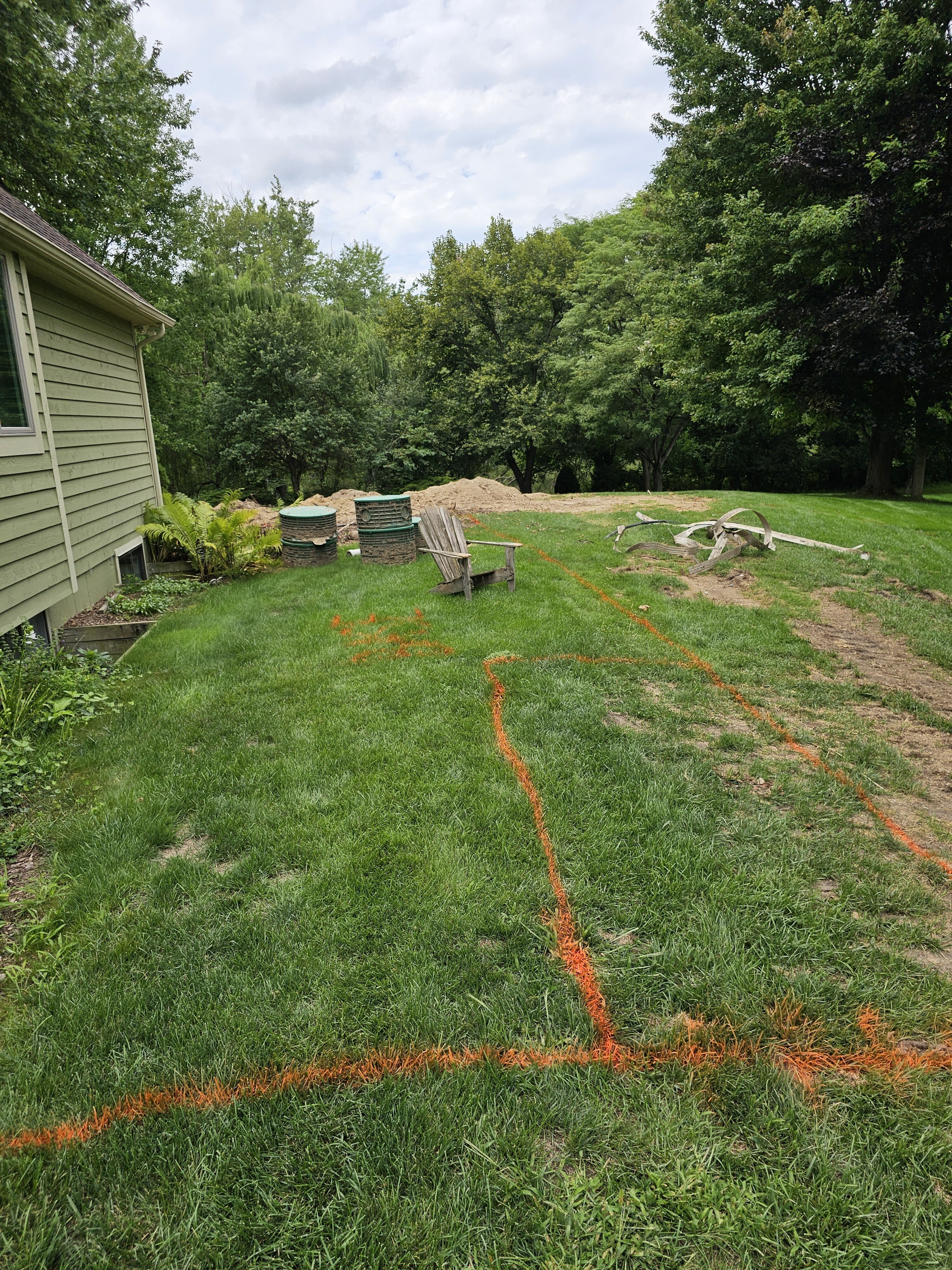
- Mark any underground lines or features the utility locator might miss
- Well water lines
- Septic tanks (dop not drive over these)
- Irrigation lines
- Gas from meter to pool, hot tub, grill, etc
- Electric to well, lighting, shed, garage, landscape
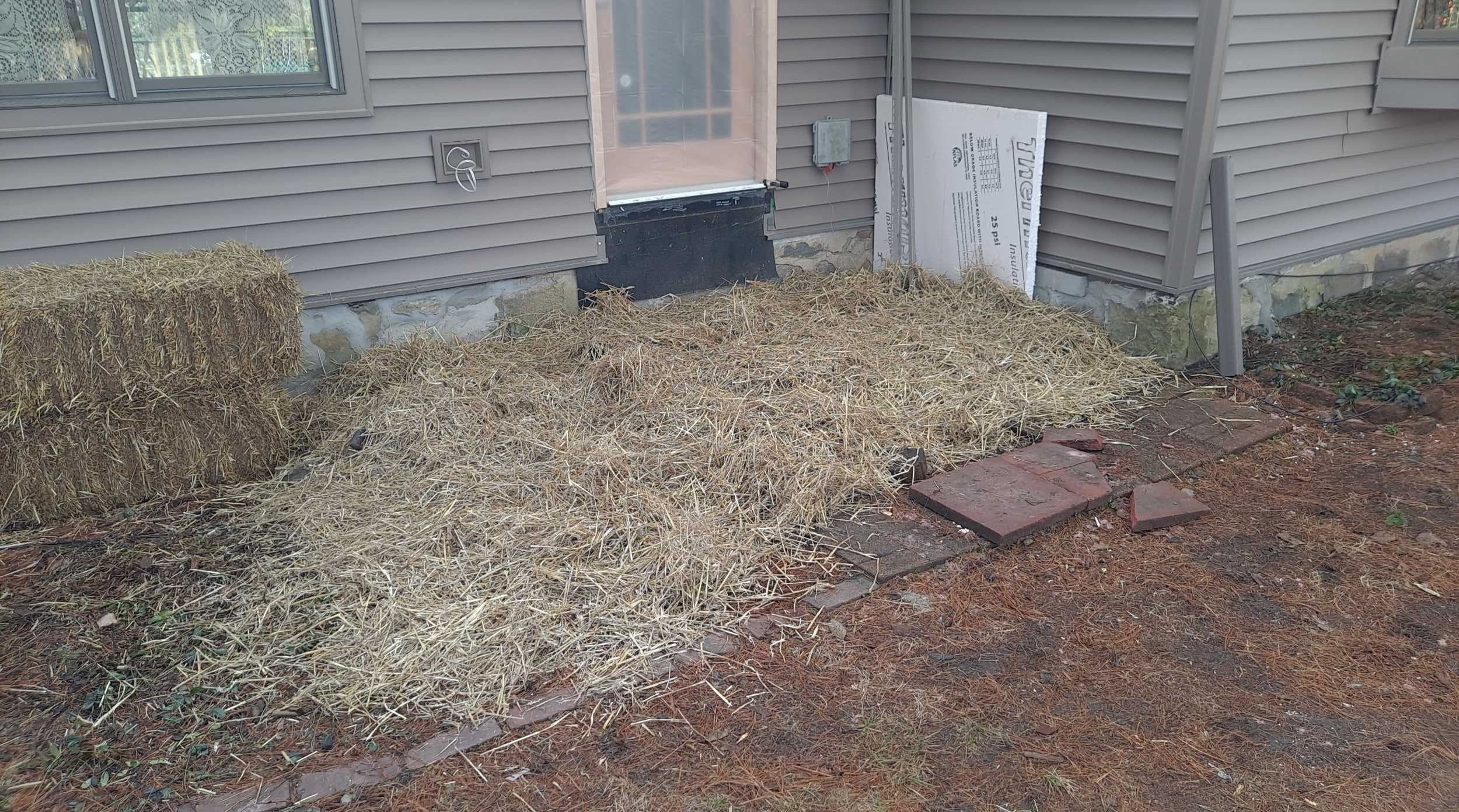
- In cold weather, cover the soil with straw before digging to keep the ground from freezing.
- Mark the dig area for the excavator:
- Use marking paint to outline trenches or post holes.
- Ensure "overdig" is at least 3 feet wider than the footing layout.
- Plan for any necessary trenching for downspouts or drains.
- Combine drain and dry well digging with foundation work when possible.
- Tree and shrub removal should be handled ahead of time. If the excavator is removing stumps, leave 5 feet of trunk above ground for leverage.
- Make sure there is access for equipment, even if that means removing fence sections or other barriers.
- Plan how and where to stockpile or haul away the soil (spoils).
- Install erosion control if required
- Once digging is complete, stake or barricade open holes with fence and flagging for safety.
- Cover smaller, open holes with plywood to prevent falls.
- Hand dig whenever working close to any utilities, pipes, or wires
Inspections
Residential remodeling rarely requires inspections for excavation. The first inspection is usually for formed footings. For post holes or piers, excavation may be the only work prior to inspection, see the footings section for more details.
Best Practices / Pro Tips
Consider how the excavator will access and operate on site with minimal damage to landscaping and driveways. Always locate water and power shutoffs before digging. In case a well line or pipe is accidentally hit, quickly shut off power to prevent pump damage or water flooding.
Client Interaction / Communication Notes
Ask clients to remove and save valued plants before the dig. Give plenty of advance notice to move vehicles and other property out of the work zone.
Resources
Last revised: 11/29/2025